A Guide to Cannabis Concentrates
Walk into any dispensary and you’ll see jars labeled Live Rosin, Cured Badder, Refined Sugar, Live Badder, and more. The names can feel intimidating if you’re new to concentrates. But they’re actually a shorthand; each word tells you something specific about what’s inside the jar.
This guide breaks down four common concentrates so you can understand not just the names, but what they mean. You’ll learn why starting material matters, how extraction methods differ, and why texture is important. By the end, reading a concentrate label will make sense.
The Basics: What Makes Concentrates Different
Cannabis concentrates are exactly what the name suggests, concentrated cannabinoids and terpenes extracted from the plant. What changes from concentrate to concentrate is three things:
- Starting material: Did the processor use fresh-frozen cannabis or dried and cured cannabis?
- Extraction method: How were the resin compounds separated from the plant matter? (This is where terms like ‘rosin’ and ‘resin’ matter.)
- Finish: How was the final product worked into its shape and texture? (This is what ‘badder’ and ‘sugar’ refer to.)
How to Read a Concentrate Label
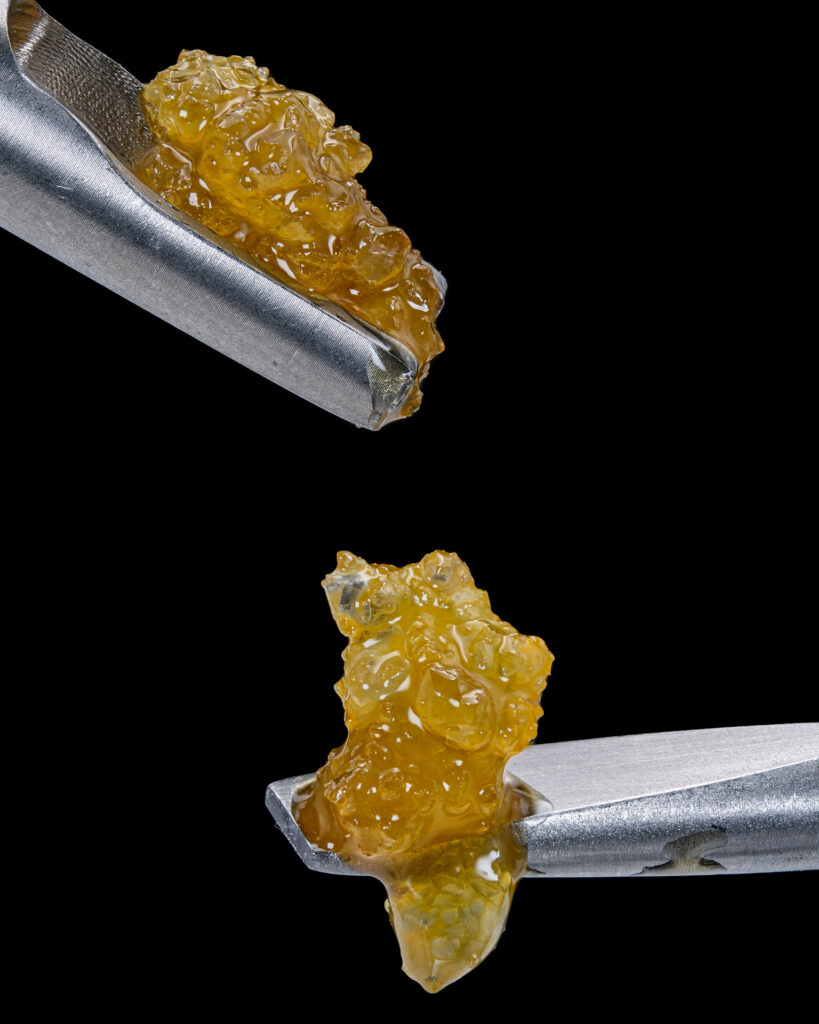
Concentrate names follow a pattern. Once you know what each part means, the label becomes a sentence describing the product.
LIVE or CURED
This tells you about the starting material. ‘Live’ = fresh-frozen cannabis, preserved right after harvest. ‘Cured’ = cannabis that’s been dried and cured before extraction.
ROSIN or RESIN
This tells you about extraction. ‘Rosin’ = no solvents used, pressing with heat and pressure. ‘Resin’ = hydrocarbon solvents used (butane, propane, etc.).
BADDER, SUGAR, SAUCE, or other texture words
This tells you the finished consistency. ‘Badder’ = soft and creamy. ‘Sugar’ = crystalline and granular. ‘Sauce’ = liquid or terpy. Each texture serves different uses and preferences.
REFINED
When you see this, it means extra filtration steps removed additional plant matter. The result is cleaner and more polished.
Example: ‘Live Rosin’ tells you fresh-frozen, no solvents, pressed. ‘Cured Badder’ tells you dried and cured flower, extracted, finished creamy. ‘Refined Sugar’ tells you cured flower, extra-filtered, crystallized. See how the words stack up to make a description?
Live Rosin
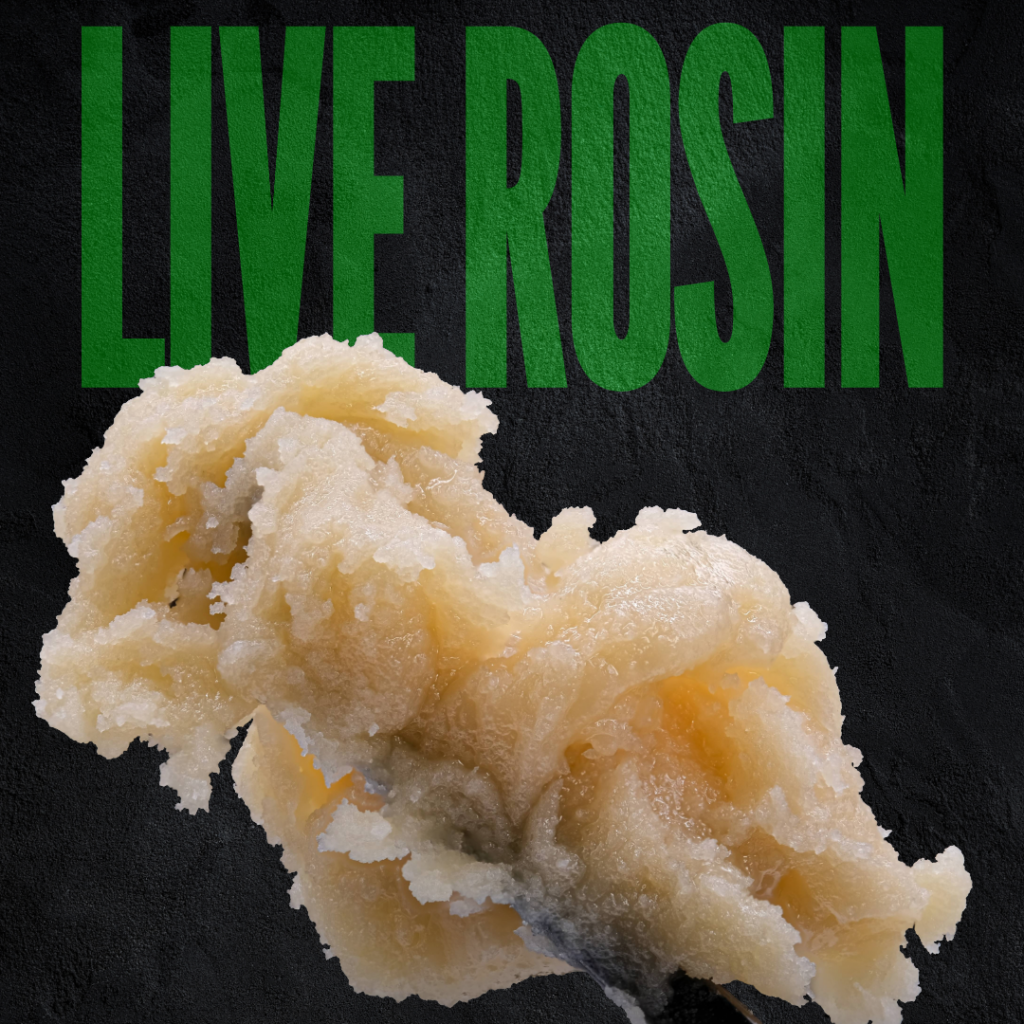
Live Rosin combines ‘live’ (fresh-frozen starting material) with ‘solventless’ extraction (no hydrocarbon solvents). The cannabis is frozen shortly after harvest, then ice-water hash is collected and pressed using heat and pressure to separate the resin. No chemicals required.
Why it matters:
Because the starting material is fresh-frozen, the plant’s original aromatic compounds (terpenes) are preserved. The rosin process relies on the quality of the trichomes (the resin glands on the flower), so the starting material really makes a difference in the final product. If you care about terpene profile and plant fidelity, this concentrate preserves both.
Scoopable and full of original cultivar character.
CURED BADDER
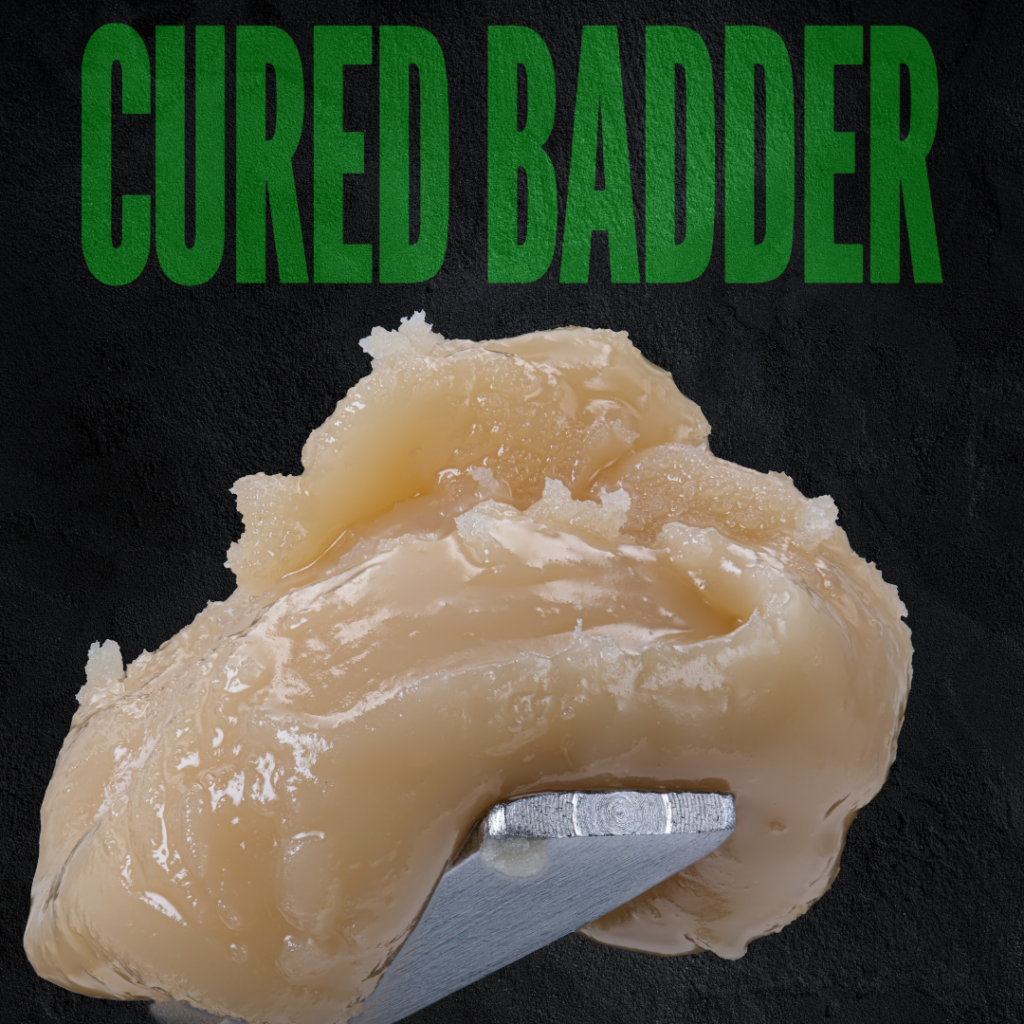
Cured Badder starts with dried and cured cannabis—the kind you’d smoke. After the plant goes through drying and curing, the flowers are then extracted to make the concentrate. ‘Badder’ refers to the texture: soft, creamy, cake-batter-like consistency.
Why it matters:
Curing is a chemical process. It changes the cannabinoid profile and aromatic compounds in the plant. So a Cured Badder will taste and feel different from a Live Rosin, even if it comes from the same strain. That’s not bad—it’s just different. The badder texture makes it easy to scoop and work with. You get a stable, creamy product that’s versatile.
A smooth, workable consistency for everyday use.
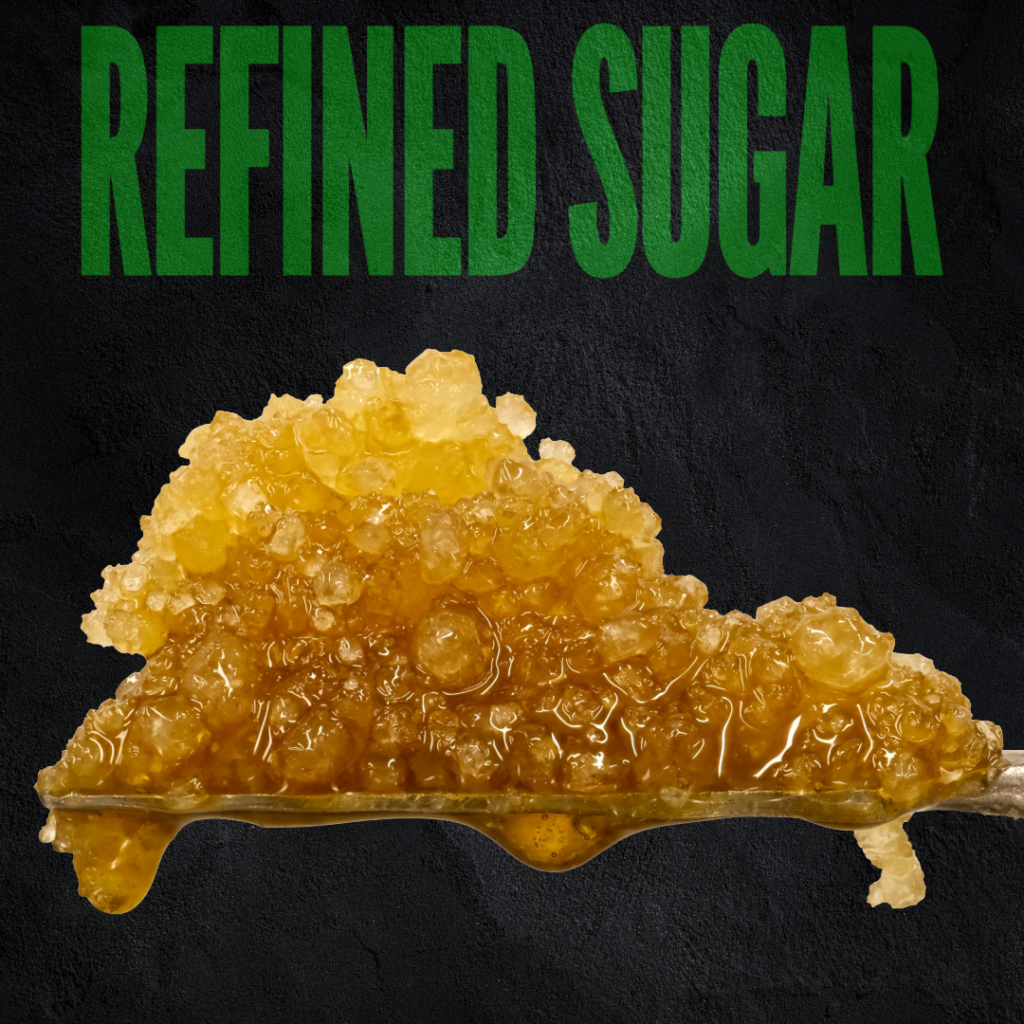
REFINED SUGAR
Refined Sugar starts with dried and cured cannabis (like Cured Badder), but after extraction, the oil goes through additional filtration to remove fats, waxes, and other unwanted plant material. The result crystallizes into small, granular structures that look like sugar. (There’s no actual sugar in it—it’s just the appearance.)
Why it matters:
That refinement step makes a difference. Removing extra plant matter creates a cleaner, more refined product. The crystalline texture is distinctive—it’s loose and easy to handle. If you want a polished, clean concentrate, this is it. It’s also often more stable and longer-lasting than some other textures.
Clean, refined granules that are easy to measure.
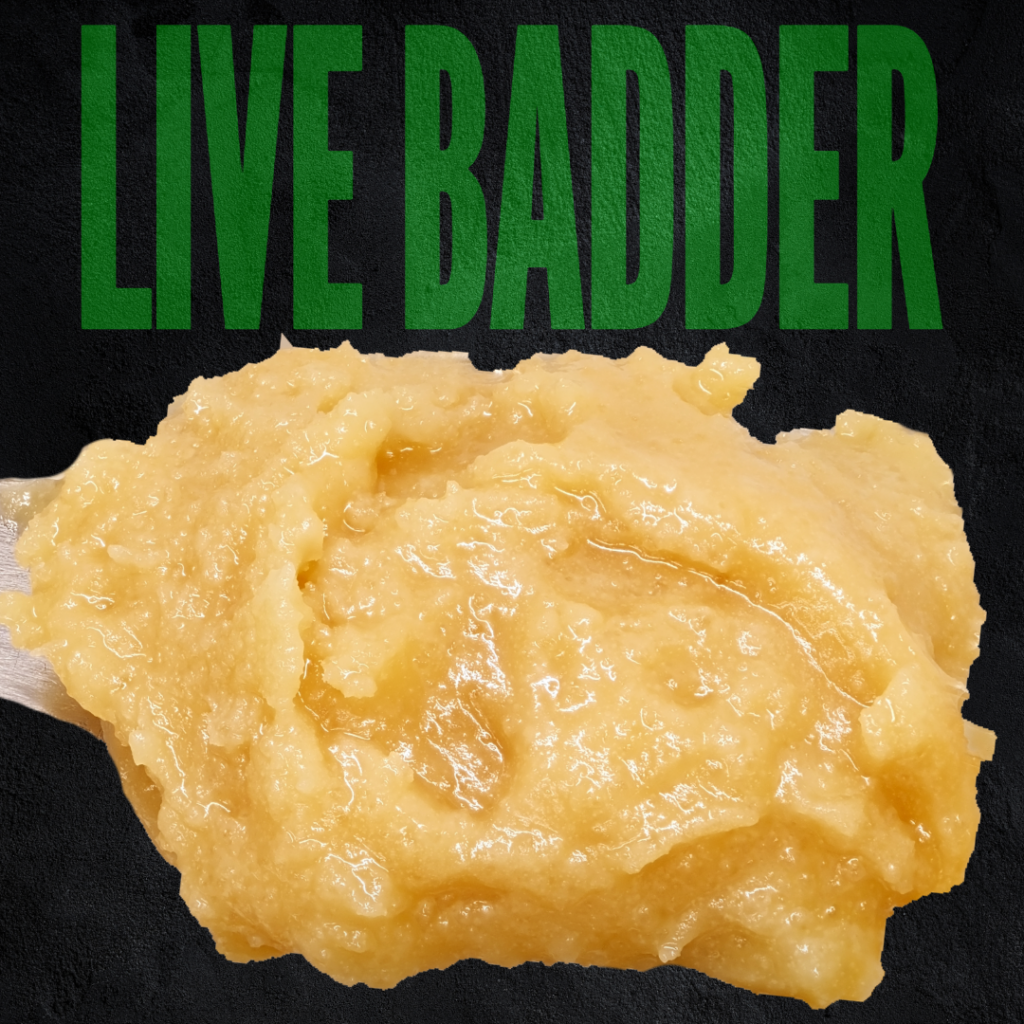
LIVE BADDER
Live Badder uses fresh-frozen cannabis (like Live Rosin) but extracts it with hydrocarbons (solvents like butane or propane) instead of rosin pressing. The result is a wet extract that’s then worked into that soft, creamy badder texture through controlled processing.
Why it matters:
You get the best of both worlds: fresh-frozen terpenes (from the ‘live’ part) and hydrocarbon extraction (which captures compounds that water-hash/rosin pressing might miss). The badder finish is stable, easy to use, and versatile. It’s a middle ground between preserving fresh terpene profiles and using extraction methods that maximize yield and consistency.
Finished to a whipped, creamy consistency.
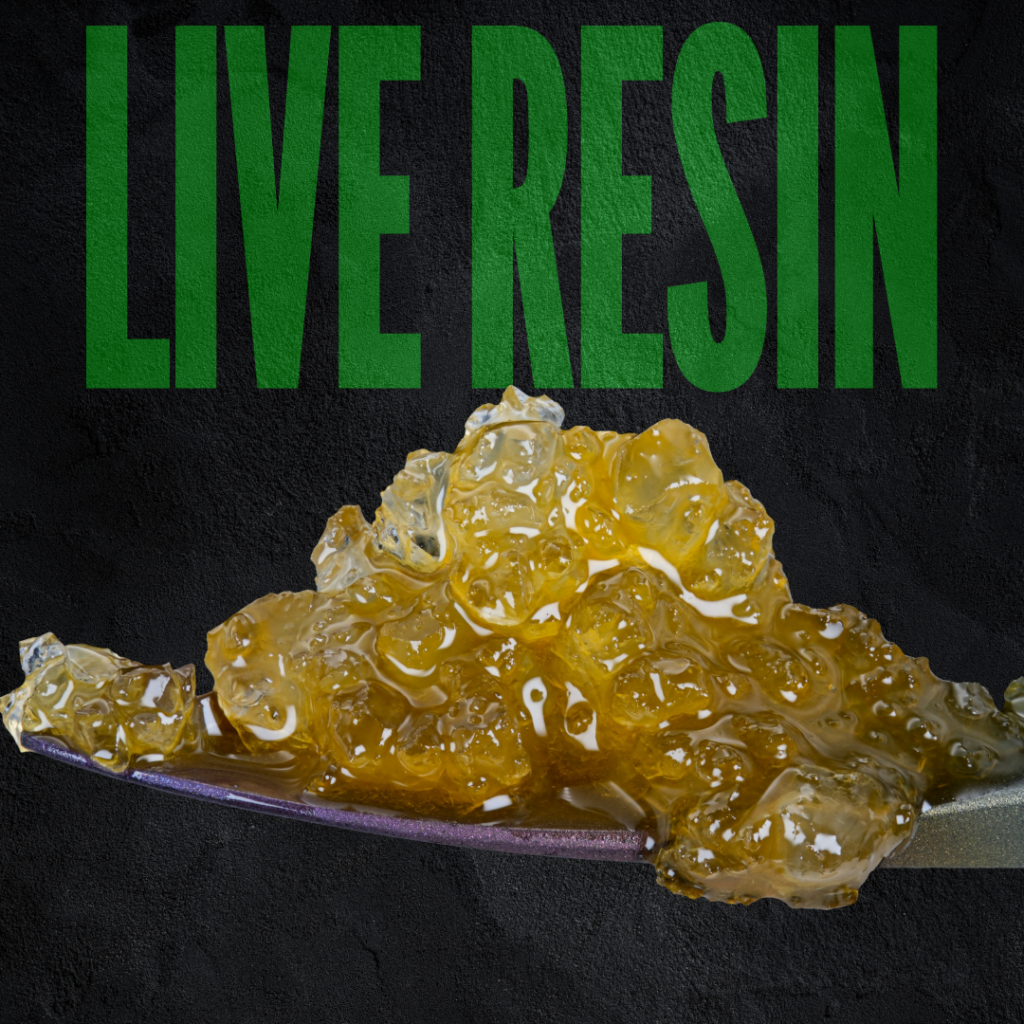
LIVE RESIN
Live Resin uses fresh-frozen cannabis (like Live Rosin) but extracts it with hydrocarbon solvents—typically butane or propane. The cannabis is frozen shortly after harvest, then extracted while still frozen. The finished texture can range from saucy to sugary, depending on processing.
Why it matters:
Live Resin is made by extracting from fresh-frozen material, it preserves the original terpene profile while using hydrocarbon extraction methods. This combination often captures a broader spectrum of aromatic compounds than other methods. You get terpene richness without the solventless limitations. The texture is variable—you might see Live Resin as a terpy sauce or crystallized sugar, depending on it’s finish.
Frequently Asked Questions
Q: Does 'live' mean the concentrate is alive?
No. ‘Live’ just means the starting material was fresh-frozen, preserving the plant’s original compounds. The finished concentrate is not alive. It’s shelf-stable and lasts a long time.
Q: Which concentrate should I start with if I'm new to concentrates?
Cured Badder is a good starting point. It’s stable, easy to handle, versatile, and doesn’t require any special tools. Once you’re comfortable, explore Live Rosin for fresh terpene profiles or Refined Sugar for a polished finish.
Q: What's the difference between rosin and resin?
Rosin uses heat and pressure—no solvents. Resin uses hydrocarbon solvents. Both pull cannabinoids and terpenes from the plant, but the methods are different. Rosin is often celebrated for purity; resin extraction can capture a broader terpene spectrum. Neither is inherently better—it depends on your preference.
Q: Can I use the same tools for all concentrates?
Mostly yes. A dab tool works for most textures. Some concentrates (like sugar) might be a little looser and easier to scoop; others (like badder) are creamier. You don’t need different tools, just an understanding that texture changes handling slightly.
Q: Why would I choose refined sugar over cured badder?
Refined Sugar has gone through extra filtration, creating a cleaner product. It’s more stable, lasts longer, and some people prefer the granular texture. It’s a more polished concentrate. Cured Badder is creamier and a bit more versatile. Personal preference.
Q: Is Live Rosin better than Live Badder?
Not better—just different. Live Rosin is solventless and focuses trichome quality. Live Badder captures fresh terpenes but uses hydrocarbon extraction. Some prefer the solventless approach; others like the broader terpene capture of resin. Both are ‘live’ products that preserve fresh terpenes.
Find Green Truck Concentrates
Green Truck offers a range of concentrates at our three locations where staff can answer questions about textures, effects, and make recommendations:
Green Truck – Kittery, Maine Recreational adult use store serving Kittery, Eliot, and the southern York County seacoast community.
Green Truck – Sanford, Maine Recreational adult use store serving Sanford, Springvale, Alfred, and the greater Mousam Valley area.
Green Truck – North Berwick, Maine Medical store serving North Berwick, South Berwick, Berwick, and surrounding York County towns.
Shop at any location, online at greentruck.com, or download the Green Truck app!
Final Notes
Cannabis concentrates are potent. Labels tell you what’s inside, but they don’t tell the whole story of how a product will feel to you personally. Effects, flavors, and experiences vary. Start low if you’re new to concentrates, and don’t hesitate to ask staff for recommendations based on what you’re looking for.
Understanding the names—Live vs. Cured, Rosin vs. Resin, Badder vs. Sugar—is the first step to finding concentrates that work for you.